FLAME NOVICE: thali malice. Klikni in si oglej tedensko ponudbo. Restavracija Flame je po novem urniku odprta od 8h do 20h. Vsak dan po 8h strežemo pravi indijski masala chai

FLAME NOVICE: thali malice. Klikni in si oglej tedensko ponudbo. Restavracija Flame je po novem urniku odprta od 8h do 20h. Vsak dan po 8h strežemo pravi indijski masala chai
VSAK DAN V TEDNU NOVI THALI MENIJI. OGLEJ SI PONUDBO.
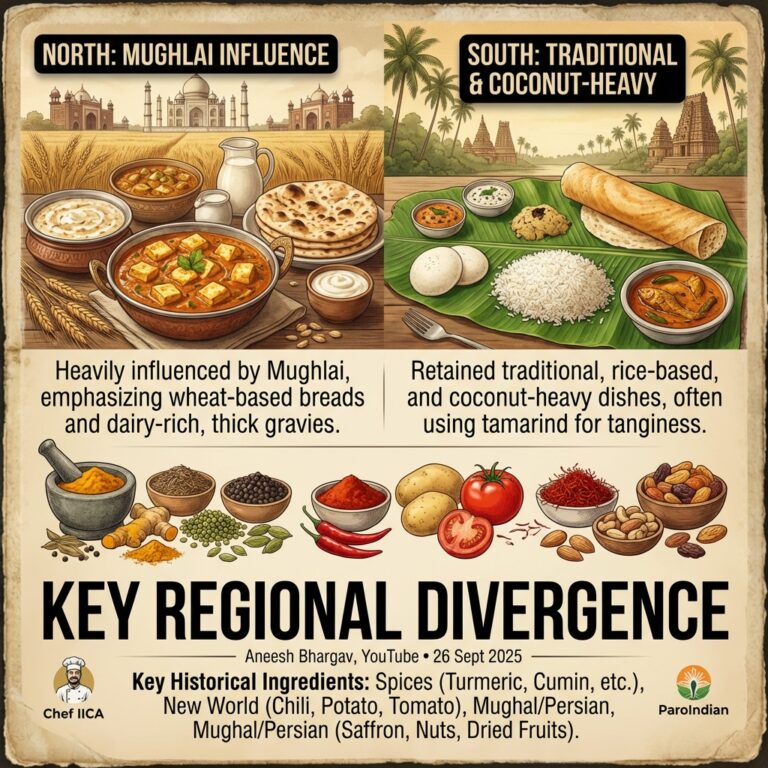
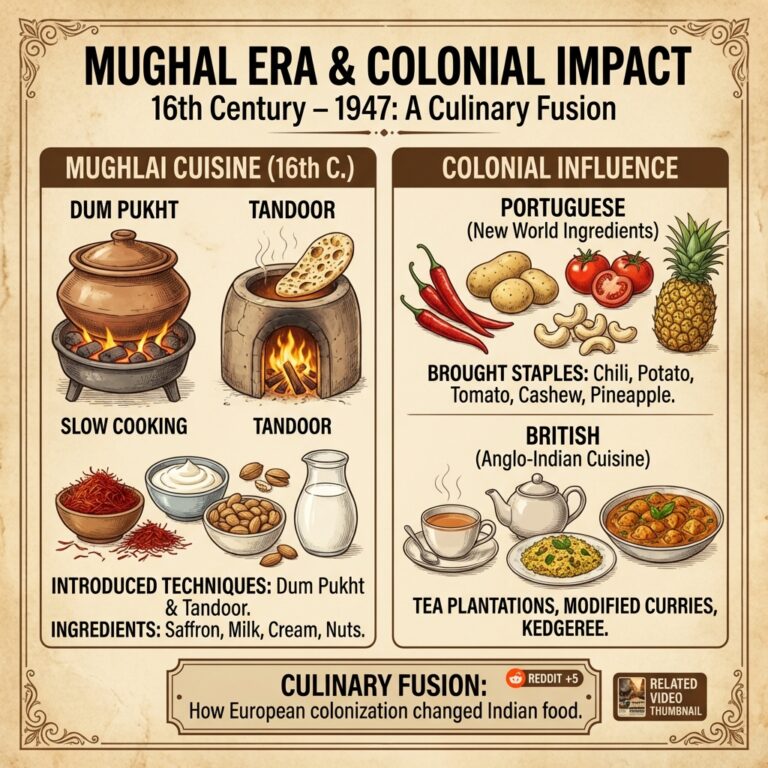
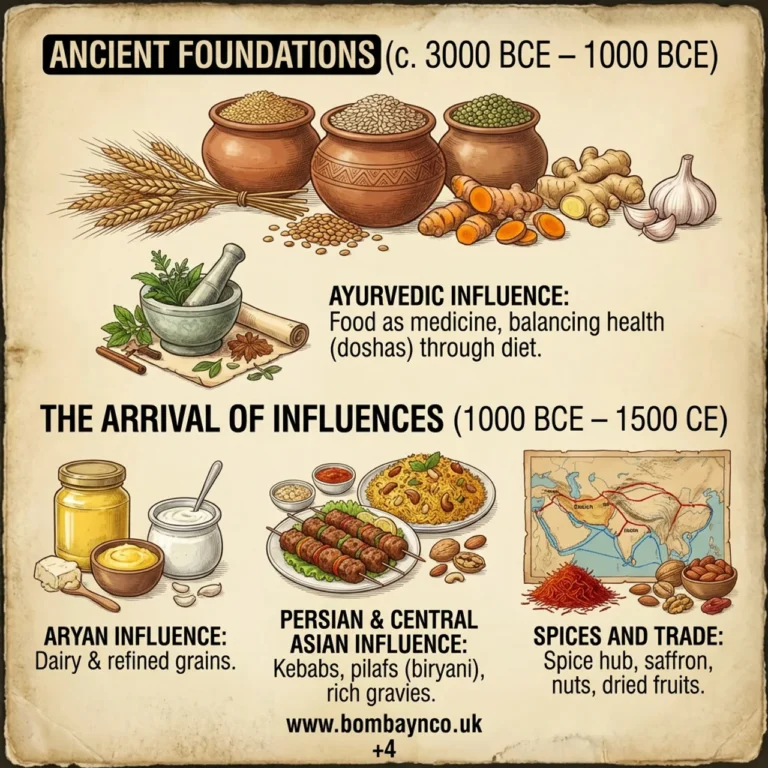
The History of Indian Cuisine: From the Ancient Kitchens to … Indian culinary history spans over 5,000 years, evolving from Indus Valley staples (wheat, barley) into a diverse fusion of indigenous Ayurvedic principles, Persian richness (Mughlai), and Portuguese/British influences (chili, potato). It is characterized by complex spice blending, regional variance, and a deep, historically layered interplay of culture and cuisine. Chef IICA Chef IICA +3 Ancient Foundations (c. 3000 BCE – 1000 BCE) Indus Valley Civilization: The foundation relied on grains like wheat, barley, and lentils, alongside legumes and local spices such as turmeric, ginger, and garlic. Ayurvedic Influence: Food was viewed as medicine, focusing on balancing health (doshas) through diet. www.bombaynco.uk www.bombaynco.uk +4 The Arrival of Influences (1000 BCE – 1500 CE) Aryan Influence: Introduced dairy products and refined the use of grains. Persian & Central Asian Influence: Significantly altered the landscape with kebabs, pilafs (biryani), and rich, nut-based gravies. Spices and Trade: Early trade routes with Mesopotamia and Rome established India as a spice hub, introducing ingredients like saffron, nuts, and dried fruits. Britannica Britannica +3 The Mughal Era & Colonial Impact (16th Century – 1947) Mughlai Cuisine: Introduced in the 16th century, bringing techniques like dum pukht (slow cooking), tandoor, and ingredients like saffron, milk, and cream. Portuguese Influence: In the 16th century, they brought “New World” ingredients that are now staple: chili, potato, tomato, cashew, and pineapple. British Influence: Introduced tea plantations and led to the development of Anglo-Indian cuisine (e.g., modified curries, kedgeree). Reddit Reddit +5 This video explains how European colonization changed Indian food: Related video thumbnail 1m Aneesh Bhargav YouTube. Divergence North: Heavily influenced by Mughlai, emphasizing wheat-based breads and dairy-rich, thick gravies. South: Retained traditional, rice-based, and coconut-heavy dishes, often using tamarind for tanginess. Historical Ingredients Spices: Turmeric, cumin, coriander, cardamom, black pepper. New World (post-1500s): Chili, potato, tomato. Mughal/Persian: Saffron, nuts, dried fruits.


Posted on GoogleTrustindex verifies that the original source of the review is Google. Zelo dobra restavracija, odlična hrana, prijazno osebje, sploh šef, zanimiva indijska glasba, še se bomo vrnili, zaljubili smo se v indijsko hrano...Posted on GoogleTrustindex verifies that the original source of the review is Google. Excellent indochinese cuisine meals, flavorful, juicy, tasty, not too greasy. Super pleasantly and hospitable host (owner), great music. We had Chow Mein and Tofu Massala. Perhaps the best southeast Asian food in Ljubljana!Posted on GoogleTrustindex verifies that the original source of the review is Google. Service is not up to standardsPosted on GoogleTrustindex verifies that the original source of the review is Google. Res top izkušnja! Jedla sva butter chicken, tikko masalo in naan – hrana je bila vrhunska in dejansko avtentična. Ambient je preprost in domač, so pa ravno malo prenavljali, ko sva bila tam, ampak naju ni motilo. Najbolj naju je prepričalo osebje. Natakarica zelo zgovorna, s prijetno energijo, na koncu pa je prišel do naju še glavni kuhar iz Indije. Malo smo poklepetali o hrani in naju na koncu častil še z indijskimi sladicami. Definitivno priporočam vsem, ki bi radi probali pravo indijsko hrano na nivoju.Posted on GoogleTrustindex verifies that the original source of the review is Google. Posted on GoogleTrustindex verifies that the original source of the review is Google. Very friendly people and good food.Posted on GoogleTrustindex verifies that the original source of the review is Google. Zelo okusna hrana, še posebej piščanec tikka masala. Šef oz. kuhar je zelo prijazen, ker priporoča kaj vzeti in se prilagaja gostom.Posted on GoogleTrustindex verifies that the original source of the review is Google. The most authentic Indian food around, by far! Great service, great experience visiting the place.Posted on GoogleTrustindex verifies that the original source of the review is Google. Very good Indian cuisine with a great price level. The owner was very friendly as well.Posted on GoogleTrustindex verifies that the original source of the review is Google. This Indian restaurant was a very enjoyable experience overall. The food was incredibly delicious, with rich flavors and authentic taste, and the portions were generous, making it great value for money. The owner was especially friendly and welcoming, which added a personal and warm touch to the visit. Combined with the reasonable prices, this makes the restaurant a place I would definitely return to. The only area for improvement would be the ambiance. Updating the interior, such as the tables and furnishings, could really enhance the overall dining experience. Aside from that, I can highly recommend this restaurant.